
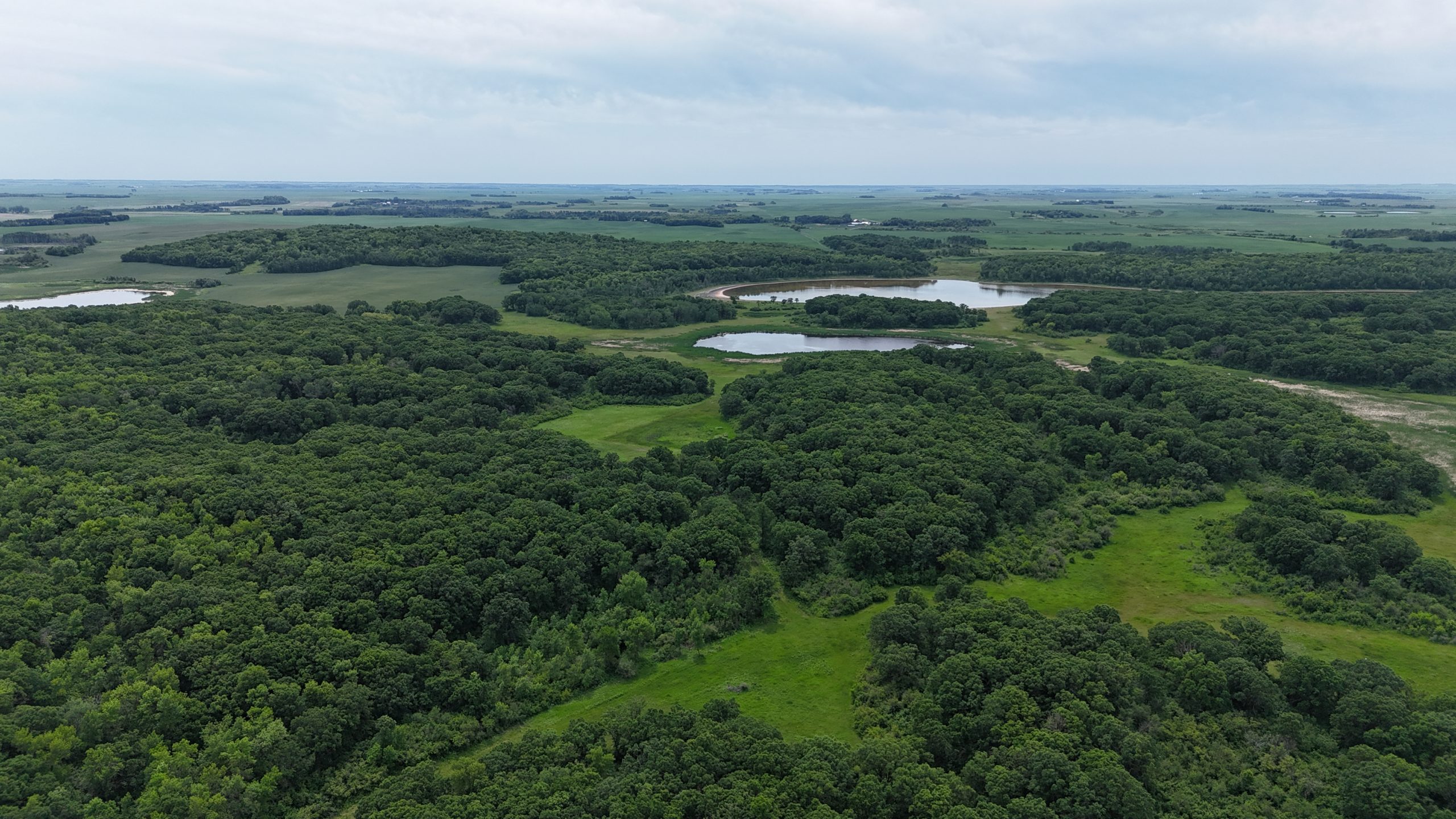
A Shared Commitment to Conservation: The Cramer Property Donation
Conservation in Manitoba doesn’t happen through one organization or one funding source alone, it happens through partnerships, shared values, and landowners who choose to protect the places they care about for the long term. The recently donated Cramer Property is a strong example of how these efforts come together to deliver real, lasting conservation outcomes.
Located northeast of Baldur in southwestern Manitoba, the Cramer Property protects more than 320 acres of grassland, woodland, and wetland habitat within the Pembina Hills region. This landscape is widely recognized for its ecological value, supporting a diversity of wildlife and playing an important role within key conservation priority areas for waterfowl and grassland species.
Through a donated conservation agreement, this land will remain intact and protected, ensuring that its ecological benefits, such as habitat for wildlife, water retention, and landscape connectivity, are protected for future generations. Donated agreements like this are one of the most powerful tools available for conservation: they permanently protect habitat while allowing landowners to make a meaningful contribution to Manitoba’s natural heritage.
Importantly, land donation does not mean conservation happens at no cost. While the land itself is generously given, significant work is required to responsibly steward that donation. Conservation staff must complete baseline documentation, evaluate habitat values, conduct legal and technical reviews, and establish long-term monitoring plans to ensure the land’s conservation values are upheld over time. These steps are essential to maintaining the integrity of every conservation agreement.
This is where the Natural Heritage Conservation Program – Land Trusts Conservation Fund (NHCP-LTCF) grant plays a critical role. NHCP funding helps cover the support costs associated with processing donated lands, costs that are often invisible but absolutely necessary. From ecological assessments to legal work and long-term stewardship planning, this funding ensures that donated lands are protected properly, not just symbolically.
The Cramer Property also highlights how conservation is inherently collaborative. Landowners, conservation organizations, funders, and partners all contribute different pieces of the puzzle. Landowners bring vision and commitment. Programs like NHCP provide essential financial support. Conservation organizations coordinate, assess, and steward the land to ensure protections endure.
Together, these efforts safeguard landscapes that support species at risk, including grassland birds and wetland-dependent wildlife, while strengthening the broader network of conserved lands across Manitoba.
The donation of the Cramer Property is more than a single conservation success, it’s a reminder that protecting Manitoba’s natural spaces is a shared responsibility. When landowners choose conservation, and when funding partners help make that conservation possible, the benefits extend far beyond property boundaries, contributing to healthier ecosystems and a more resilient province for generations to come.


