Common Ground: How Producers and MHC Conserve Manitoba Together
Drive through southwestern Manitoba and you may expect most of the province’s conserved habitat to be behind park entrances. The truth is, you’ll actually find it on working farms and ranches, in grazed pastures, in wetlands tucked between fields, or in grasslands held by the same families for generations. This mosaic of working lands and wildlife habitat is the exact reason why MHC has been able to conserve over 270,000 acres of land.
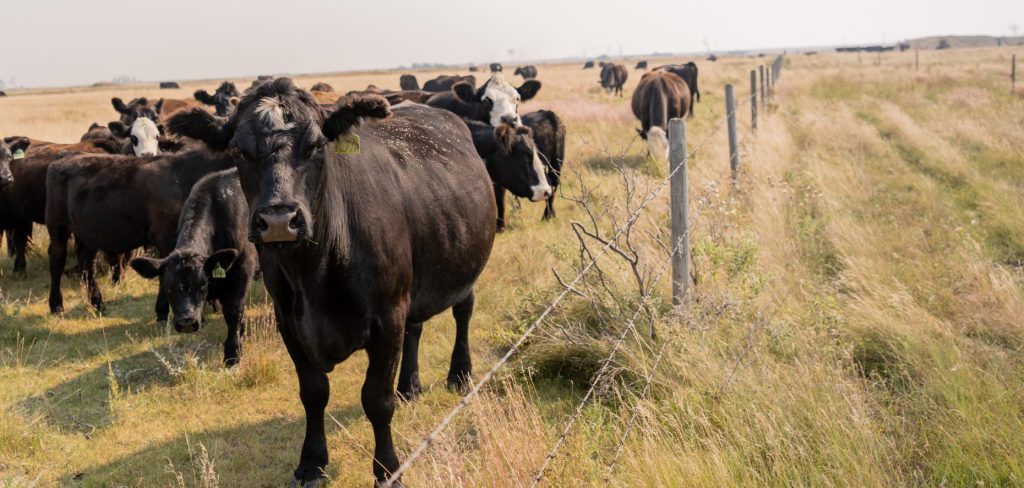
The vast majority of southern Manitoba’s intact wetlands, grasslands and riparian areas sit on privately owned agricultural land, meaning there is no path to conserving them that doesn’t run through the farm gate. Grasslands in particular depend on the disturbances of hooves and the grazing of animals, namely cattle. Mixed-grass prairie (one of the most endangered ecosystems on earth) evolved under grazing. When bison left our landscapes, well-managed cattle herds became the next best thing. That is just one of the nuances of conservation work among a vast sea (or wetland!) of nuances to navigate, and why it is crucial to work with our local producers.
At the core of that idea is our Conservation Agreement program. Landowners receive financial compensation for permanently conserving habitat, and the land stays under their stewardship. Haying and grazing can continue. Hunting remains at the landowner’s discretion. In most cases, the way a family uses their land today is the way they keep using it; the agreement simply ensures the habitat can’t be broken, drained or developed. In 2025 alone, MHC conserved 3,392 acres and provided $3.2 million directly to landowners.
Grassland Stewardship Agreements and restoration programs round out the toolkit with slightly different methods, but with the same outcomes: land that works harder for the producer and for wildlife.
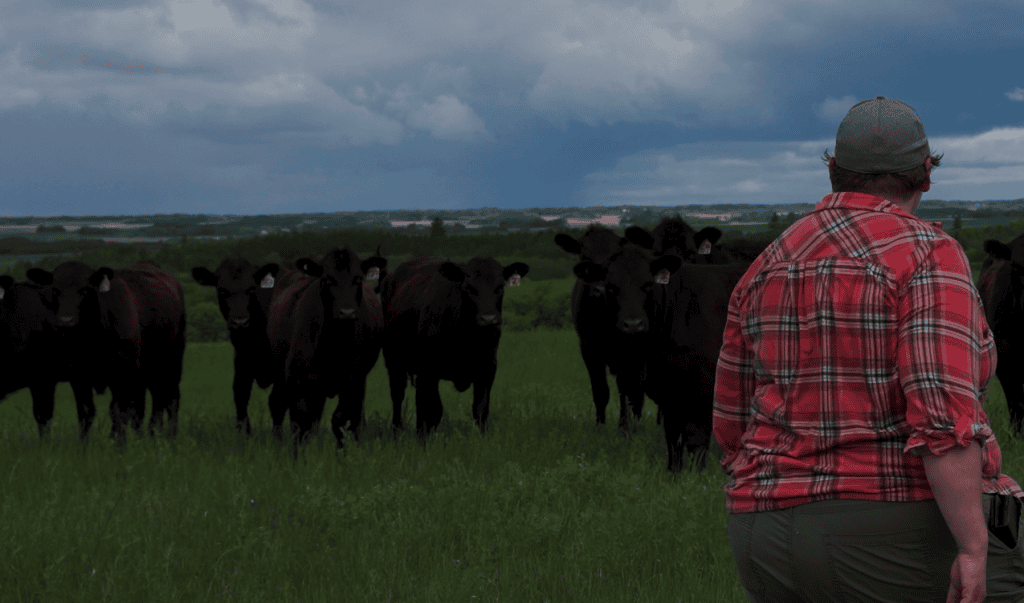
Part of what makes these partnerships work is who’s on the other end of the handshake. Our habitat conservation specialists live in the communities they serve, with many being farmers themselves. Scott Beaton, one of MHC’s conservation specialists, runs a mixed grain farm with a cow-calf herd near Balmoral.
“I’ve had the pleasure of working with some very forward-thinking people who grew up with nature and really see value in preserving natural areas for future generations,” Beaton says. “Rewarding landowners who keep the most sensitive areas in a natural state makes good financial sense for everyone through improved air and water quality, reduced infrastructure costs and the bugs, birds and wildlife that are all important parts of a functioning agri-ecosystem.”
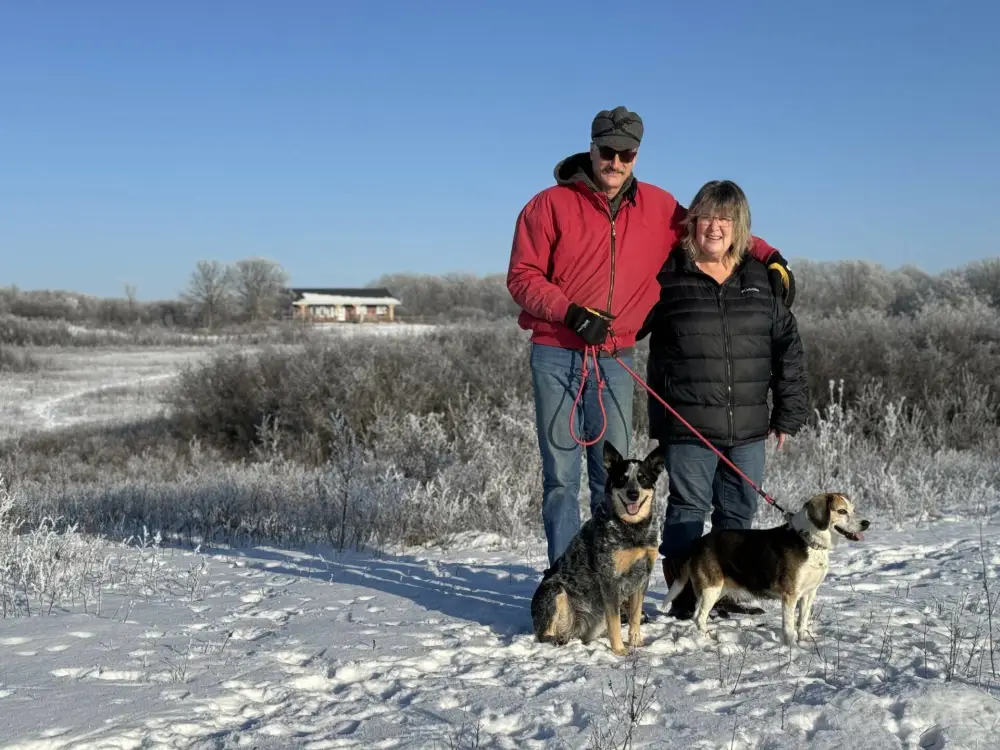
The model draws in producers at every stage of farming life, from multigeneration cattle families keeping marginal soils in perennial grass, to young first-generation farmers near Virden who conserve 918 acres of prairies, woodlands and wetlands in an area where land conversion is happening all around them.
With farm economics pushing habitat conversion across agro-Manitoba, these partnerships matter more now than at any point in our history. The farmers and ranchers who choose conservation are among some of the most important conservationists in the province.